Glaucoma is one of the top causes of preventable vision loss in the U.S. and Canada. Worldwide, it is the second leading cause of blindness, more common than macular degeneration. Regular glaucoma screening tests are essential for early detection.
Glaucoma is not one single disease. It is a group of eye conditions that damage the optic nerve, usually due to increased intraocular pressure (IOP). This pressure builds up inside the eye and harms the nerve over time. Early detection through eye pressure testing and optic nerve assessments can help save vision.
Glaucoma is often called “the sneak thief of sight” because symptoms may not appear until damage is advanced. Once vision loss occurs, it usually cannot be restored. Treatments like glaucoma eye drops, pills, or laser glaucoma treatments help regulate IOP and slow progression.
Anyone can develop glaucoma, but some people are at higher risk:
The optic nerve damage caused by glaucoma begins with side vision loss. Over time, central vision is also affected, leading to tunnel vision or blindness.
Treatment depends on disease type and severity. The goal is always vision loss prevention by controlling pressure.
Glaucoma detection involves several glaucoma diagnosis methods:
Since pressure can fluctuate, intraocular pressure monitoring over time is often needed.
The most effective way to protect vision is early testing and consistent ocular condition monitoring. Any vision lost cannot be regained, so awareness and regular eye exams are vital.
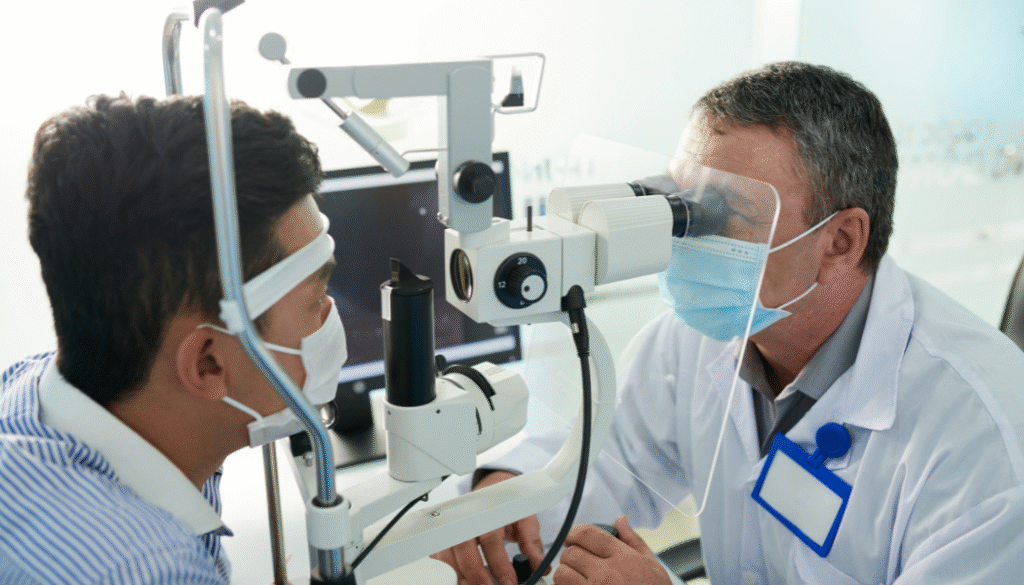
Doctors use eye pressure testing, optic nerve checks, and visual field exams to detect early damage.
Most early cases respond well to prescription glaucoma eye drops or laser glaucoma treatments.
Congenital glaucoma is usually caused by an abnormal fluid drainage system present at birth.
Your doctor will begin glaucoma medication options, laser treatment, or surgery depending on the severity.